
Curcumin: The Scientifically Proven "Golden Ingredient"—Do You Truly Understand Its Health Benefits?
Within nature's spectrum of colors, few hues possess the vibrancy and vitality of turmeric. For millennia, this spice—hailed as the "gold of the kitchen"—has served not only as the very soul of Asian cuisine but also as a treasured gem within ancient medical traditions. Yet, it was not until modern biomedical science unveiled its core active constituent—curcumin—that its true nature was revealed: far more than merely a natural pigment that lends food its beautiful color, it is a "super-ingredient" endowed with potent anti-inflammatory and antioxidant properties.
I.What is curcumin?
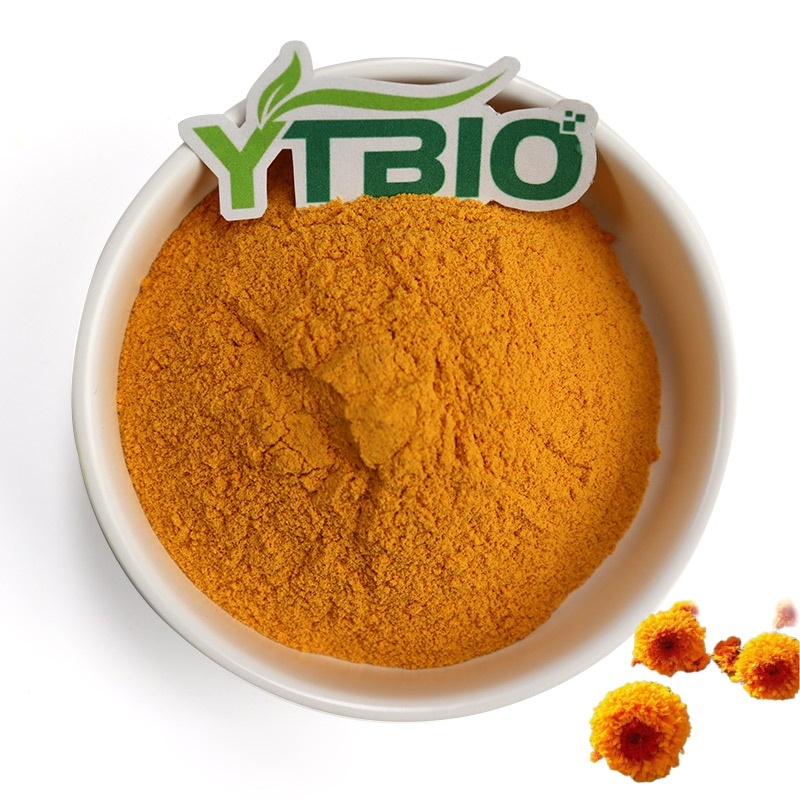
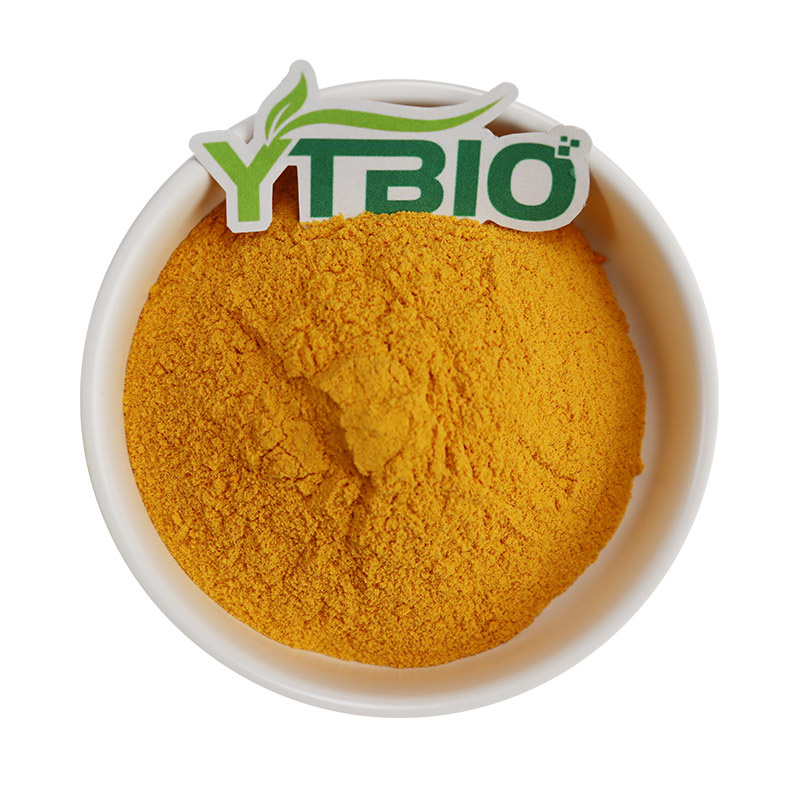
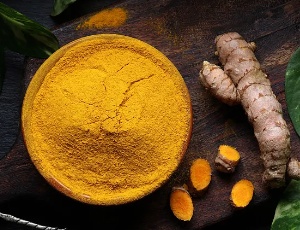
Curcumin is a naturally active polyphenol compound primarily derived from the rhizomes of *Curcuma longa*, a plant belonging to the *Curcuma* genus within the ginger family. Curcumin is sensitive to pH levels; it generally remains relatively stable in acidic environments, whereas its rate of degradation is significantly higher in neutral and alkaline conditions. Its color changes in response to pH fluctuations—appearing yellow in acidic and neutral environments, and reddish-brown under alkaline conditions—making it suitable for use as a pH indicator. Currently, as one of the world's best-selling natural food colorants, curcumin is widely utilized in a diverse range of products, including beverages, confectionery, pasta, and compound seasonings. YTBIO offers an extensive portfolio of curcumin products featuring a comprehensive range of specifications, including customized options with varying purity levels. Our product lineup encompasses various categories such as water-soluble curcumin, liposomal curcumin, and turmeric extract powder. Characterized by uniform and stable coloration, our products are ideally suited to meet the application requirements across multiple sectors, including food, dietary supplements, and functional cosmetics.
II. What exactly are the benefits of curcumin?
Supports Healthy Metabolism
Curcumin can modulate the composition and abundance of gut microbiota, promoting a shift from pathogenic bacteria toward beneficial bacteria, thereby exerting a protective effect on gut health. This regulatory effect may be linked to curcumin's metabolites, which may possess higher biological activity than curcumin itself.
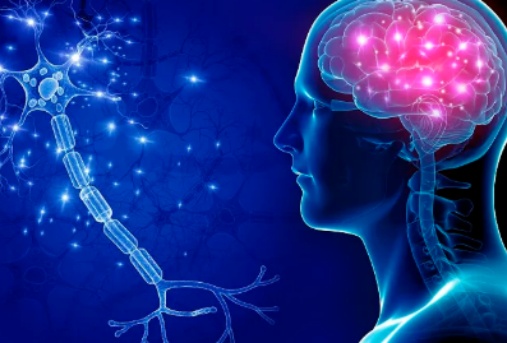
Promotes Brain Health
Research also indicates that curcumin supports brain health by reducing oxidative stress, modulating inflammatory pathways, and enhancing neuronal function. In preclinical models, curcumin has been shown to improve memory performance, enhance synaptic plasticity, and reduce the accumulation of amyloid plaques associated with cognitive decline.
Reduces Free Radical Damage
Curcumin itself possesses potent antioxidant activity; on one hand, it can directly scavenge free radicals, and on the other, it may boost the activity of certain endogenous antioxidant enzymes—such as superoxide dismutase—within the body. For the brain, this effectively provides an additional layer of "rust-proofing" protection. Furthermore, it can activate the body's intrinsic antioxidant defense systems—specifically by activating the Nrf2 signaling pathway—thereby inducing the expression of antioxidant enzymes and bolstering the body's overall antioxidant capacity.
Protects Cardiovascular Health
Another key function of curcumin is its contribution to cardiovascular health. Studies suggest that curcumin exhibits anticoagulant properties, which may, to some extent, help prevent the formation of blood clots and the onset of heart disease. It also aids in lowering levels of low-density lipoprotein cholesterol (LDL-C), inhibiting platelet aggregation, and improving vascular endothelial function, thereby reducing the risk of atherosclerosis and thrombosis.
 |  |  |
III.Curcumin can be applied to...
| Application Field | Specific Application Scenarios |
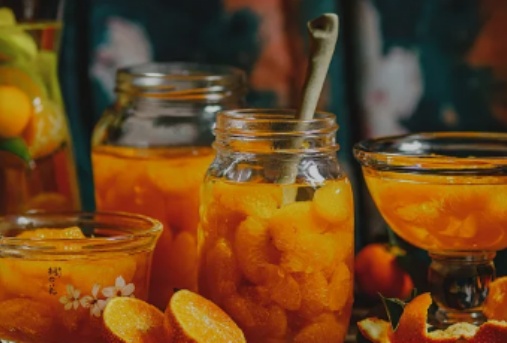
| Food Industry | Sauced and braised products, meat products, canned food, beverages, candies, pastries, etc. |
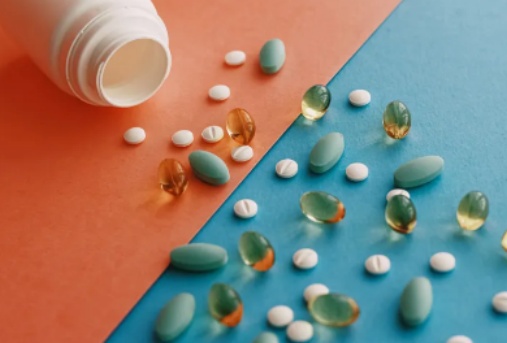
| Dietary Supplements | Capsules, tablets, solid powders, oral liquids, chewable tablets, compound nutritional supplements, sports nutrition products |
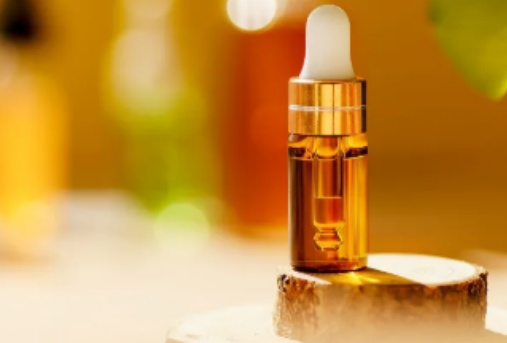
| Cosmetics & Personal Care | Serums, creams, facial masks, sun care products, anti-acne skincare products, sensitive skin repair products, organic hair care products |
 |  |  |
Ⅳ.What key factors should be considered when purchasing curcumin powder?
Content Specifications: Total Curcumin Content
Purity & Impurities: Heavy Metals, Pesticide Residues, Microbial Contaminants, Residual Solvents
Solubility: Lipid-soluble / Water-soluble variants, tailored to formulation requirements
Origin & Processing: Raw Material Source, Extraction Process, Particle Size / Flowability
Certifications & Documentation: Quality Inspection Reports; Compliance Certifications for Food, Feed, and Daily Chemical applications
Stability: Light and Heat Resistance, Antioxidant Capacity, Shelf Life
Ⅴ.Development Trends in the Curcumin Powder Industry:
Consumer awareness regarding natural anti-inflammatory and antioxidant ingredients is on the rise, alongside a global trend shifting from chemically synthesized colorants toward natural extracts. By 2025, the global curcumin market is projected to reach a size of approximately $101 million to $130 million. Between 2026 and 2034, the industry is expected to experience rapid growth, expanding at a Compound Annual Growth Rate (CAGR) of 11% to 13%. By the mid-2030s, the market size is poised to surpass the $250 million to $300 million mark.
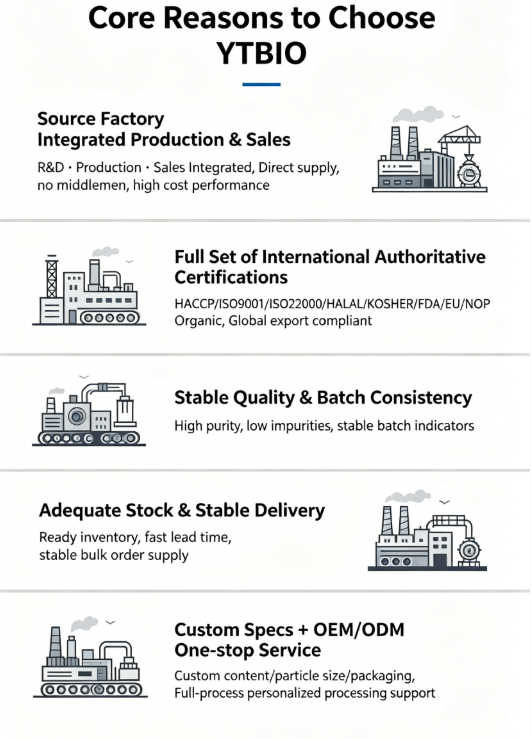
Why choose Ytbio products?
Email: sales@sxytbio.com
WhatsApp/phone: +86 17782577059