
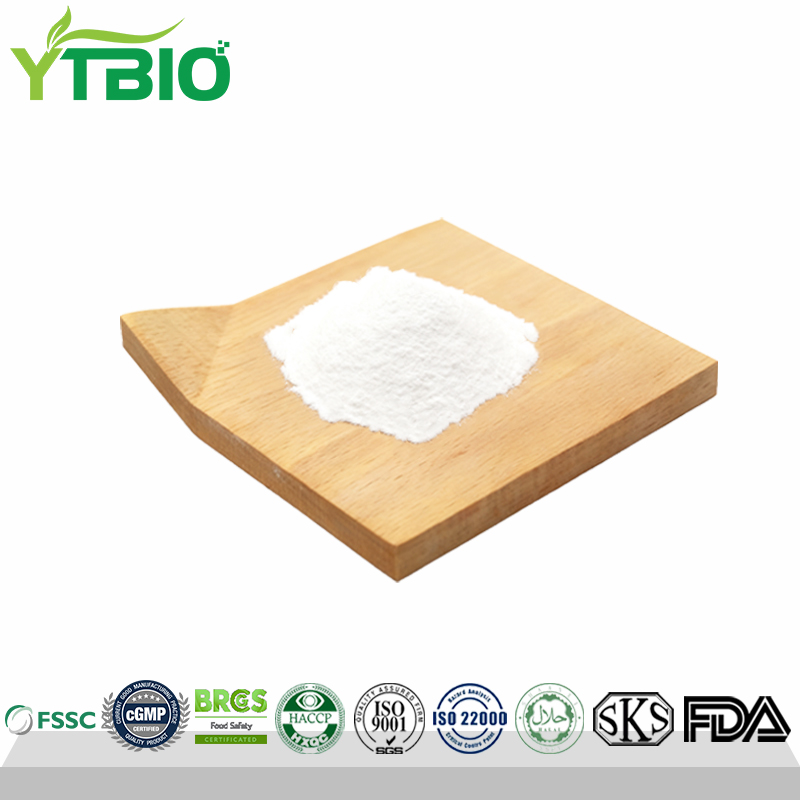
High Quality Sodium Levulinate CAS 19856-23-6
What is Sodium levulinate?
Sodium levulinate is an organic acid salt formed by the combination of levulinic acid and sodium ions. It is commonly added to cosmetics and personal care products as a preservative and skin conditioning agent. Its sources include natural ingredients such as corn. It maintains product stability by inhibiting the growth of microorganisms such as bacteria and mold, while also possessing certain skin conditioning properties.
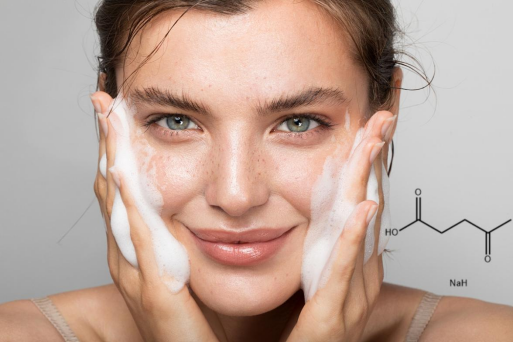
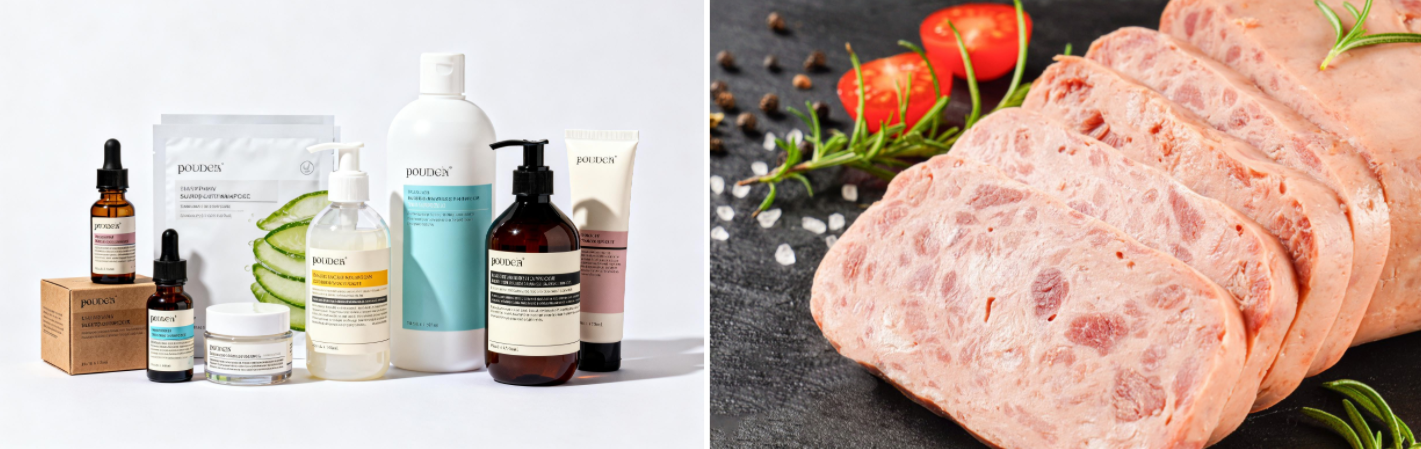
Sodium levulinate effectively inhibits microbial growth, helping to maintain product stability while ensuring the gentleness of the formula. Its application in the food industry—specifically in meat preservation—is well-studied. Studies have shown that sodium levulinate significantly inhibits the reproduction of aerobic microorganisms during meat storage. A similar principle extends to the cosmetics industry: this ingredient extends product shelf life by controlling microbial growth while avoiding damage to the structure and function of other active ingredients in the formula.
Regarding safety, sodium levulinate is classified as a low-risk ingredient. It should be noted that based on existing data, sodium levulinate can be considered a relatively safe cosmetic preservative option under regulated use, but further safety data is still needed.
Overview of Main Applications of Sodium Betalevulate
Food Industry
In food processing, sodium levulinate is used as a preservative to extend shelf life, effectively inhibiting the growth of various microorganisms. It also acts as an acidulant in acidic food systems, imparting unique flavor layers to the product.
Cosmetics and Skincare Products
Sodium levulinate combines preservative and skincare functions in cosmetics. Besides inhibiting microbial growth and maintaining formula integrity, it also moisturizes, provides antioxidant benefits, and soothes the skin, helping to increase skin hydration and reduce discomfort caused by external stimuli.
Characteristics in Food Preservation:
Preservative Effects
Sodium levulinate inhibits the growth of microorganisms by interfering with their metabolic processes, making it particularly suitable for perishable foods such as bread, pastries, and dairy products, effectively delaying mold and rancidity.
Flavor Enhancement
Sodium levulinate can provide a mild acidity in certain foods, enhancing the overall flavor profile, and is used in baked and seasoned foods.
Comparison with Other Common Preservatives
Mechanism of Action: Sodium levulinate primarily works by affecting microbial respiration; potassium sorbate acts on enzyme systems; sodium benzoate inhibits bacteria by lowering the intracellular pH.
Safety: Current research suggests that sodium levulinate has low toxicity, but data on its application in cosmetics is still limited; potassium sorbate and sodium benzoate are generally safe within regulatory limits, but excessive amounts may cause irritation or health risks.
Application Conditions: Sodium levulinate exhibits better stability and antibacterial efficacy in acidic environments; sodium benzoate is also suitable for acidic systems; potassium sorbate has a relatively wider applicable pH range.
Impact on Products: In cosmetics, sodium levulinate generally does not affect the stability or appearance of other ingredients; potassium sorbate may slightly alter the product's odor; sodium benzoate can cause some skin irritation at high concentrations.
Summary: Sodium levulinate is a compound with multiple functions, including antibacterial, flavoring, moisturizing, and soothing effects; however, its use must still adhere to relevant regulatory standards to ensure safety.
