
Leave Your Message
Dual-function ingredients delivering both cosmetic performance and nutritional value
Understanding the convergence of beauty science and functional nutrition
The global market for cosmetic raw materials used in functional foods is undergoing a remarkable transformation. Traditionally, cosmetic-grade ingredients were confined to topical applications — creams, serums, and lotions. Today, a growing body of scientific research and shifting consumer preferences have propelled these ingredients into the functional food and nutraceutical space, creating a powerful "beauty-from-within" movement that is reshaping both industries.
💡 Market Insight: The global nutricosmetics market was valued at over USD 7.5 billion in 2023 and is projected to exceed USD 14 billion by 2030, driven by consumer demand for ingestible beauty solutions that deliver measurable results from the inside out.
Cosmetic raw materials such as glycoproteins, hyaluronic acid, peptides, and botanical extracts are increasingly being formulated into functional foods, beverages, and dietary supplements. These ingredients offer a dual benefit: they support skin health, hair vitality, and anti-aging from within while also contributing to overall metabolic wellness. This convergence is being driven by three macro trends: the clean-label movement, personalized nutrition, and the integration of beauty and wellness.
Manufacturers and formulators are now sourcing cosmetic-grade ingredients — those meeting the purity, bioavailability, and safety standards of the cosmetic industry — and applying them to food-grade applications. This demands raw material suppliers who can bridge both regulatory frameworks, offering ingredients certified for both cosmetic and food use.
From an industrial perspective, the production of dual-use cosmetic raw materials requires advanced biotechnology, including fermentation, enzymatic hydrolysis, and supercritical extraction. Leading manufacturers are investing heavily in GMP-certified facilities that can produce ingredients meeting both food safety standards (FSSC22000, HACCP, FDA) and cosmetic quality benchmarks.
Key commercial drivers include the booming demand for collagen peptides in functional beverages, hyaluronic acid in beauty drinks, plant-based bioactives in fortified foods, and fruit-derived powders in nutraceutical formulations. The Asia-Pacific region, particularly China, South Korea, and Japan, leads in product innovation, while North America and Europe represent the largest consumer markets for ingestible beauty products.
Several key trends are defining the next phase of growth for cosmetic raw materials in functional foods. First, bioavailability enhancement — through nano-encapsulation, liposomal delivery, and microencapsulation technologies — is enabling active ingredients to survive digestion and reach target tissues more effectively. Second, the push for plant-based and vegan formulations is accelerating the development of botanical glycoproteins, fruit-derived peptides, and algae-based bioactives as alternatives to animal-derived ingredients. Third, personalized nutrition platforms are creating demand for customizable ingredient blends tailored to individual skin type, age, and health profile, opening new B2B opportunities for raw material suppliers offering flexible formulation services.
Additionally, regulatory harmonization between the cosmetic and food industries is progressing in major markets, reducing barriers for dual-use ingredient approvals and accelerating time-to-market for innovative products.
Hyaluronic acid, collagen peptides, and L-serine are being incorporated into ready-to-drink beauty beverages, dissolvable powders, and effervescent tablets. These formats appeal to health-conscious consumers seeking convenient, science-backed beauty routines. Avocado powder and watermelon fruit powder are emerging as functional food ingredients in smoothies and meal replacement products, delivering antioxidants, healthy fats, and hydration-supporting compounds.
Walnut peptide powder and glycoprotein extracts are being encapsulated for the nutraceutical market, targeting consumers seeking cognitive support, skin elasticity, and immune function. Zinc hyaluronate, combining the skin-hydrating properties of hyaluronic acid with the immune-supporting role of zinc, represents a next-generation ingredient for premium supplement formulations.
Lactic acid, a cosmetic staple for skin exfoliation and pH regulation, is finding applications in fermented functional foods and probiotic formulations, where it supports gut health and microbiome balance — directly linked to skin clarity and systemic wellness. Neem oil, long used in cosmetic formulations for its antimicrobial properties, is being explored in functional food contexts for its bioactive compounds supporting metabolic health.
Contract manufacturers and brands are leveraging cosmetic raw material expertise to develop proprietary functional food lines. The ability to source cosmetic-grade ingredients that also meet food safety standards from a single supplier significantly streamlines the supply chain, reduces compliance costs, and accelerates product development cycles.
Driving forces behind the cosmetic-to-functional food ingredient revolution
Advanced fermentation, enzymatic hydrolysis, and precision extraction technologies are enabling the production of high-purity, bioavailable cosmetic-grade ingredients suitable for functional food applications, with enhanced efficacy and safety profiles.
Consumer demand for clean-label, plant-derived ingredients is accelerating the adoption of botanical bioactives — from avocado peptides to watermelon lycopene — as dual-use cosmetic and functional food raw materials.
The USD 14B+ nutricosmetics market is creating unprecedented demand for ingestible beauty ingredients, with hyaluronic acid, collagen peptides, and antioxidant-rich botanical powders leading growth in Asia-Pacific and Western markets.
AI-powered personalization platforms are creating demand for customizable ingredient blends, opening new B2B opportunities for suppliers offering flexible OEM/ODM formulation services with cosmetic-grade raw materials.
Harmonization of food and cosmetic ingredient regulations across the EU, US, and Asia is reducing barriers to dual-use ingredient approvals, enabling faster commercialization of innovative cosmetic raw materials in functional food products.
Brands are consolidating their raw material sourcing, preferring suppliers who can deliver cosmetic-grade ingredients certified for both cosmetic and food use — reducing complexity, cost, and compliance risk across global supply chains.
How cosmetic raw materials are transforming functional food product development
Hyaluronic acid, L-serine, and avocado powder are being formulated into ready-to-drink beauty beverages and dissolvable powders, delivering skin hydration, amino acid nutrition, and antioxidant protection in convenient, consumer-friendly formats.
Walnut peptide powder, glycoproteins, and zinc hyaluronate are being encapsulated for the premium supplement market, targeting cognitive support, skin elasticity, immune function, and anti-aging from within.
Lactic acid and botanical bioactives are being incorporated into fermented foods, probiotic formulations, and fortified snacks, leveraging the gut-skin axis to deliver systemic beauty and wellness benefits through everyday nutrition.
Contract manufacturers are leveraging cosmetic raw material expertise to develop proprietary functional food lines, streamlining supply chains and reducing compliance costs by sourcing dual-certified ingredients from specialized manufacturers.
Innovative brands are launching "inside-out beauty" programs combining topical cosmetic products with ingestible functional food supplements using the same active ingredients — glycoproteins, peptides, and botanical extracts — for amplified results.
Walnut peptides and watermelon powder are gaining traction in sports nutrition for their muscle recovery, anti-inflammatory, and hydration properties, bridging the gap between cosmetic bioactives and high-performance functional nutrition.


Comprehensive cosmetic-grade ingredients engineered for functional food applications
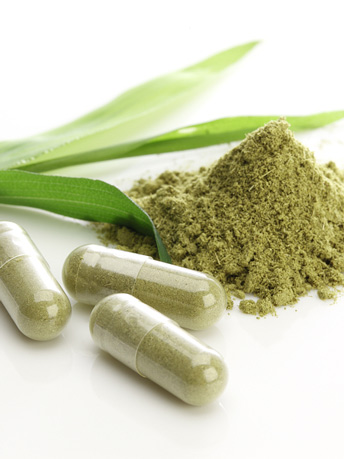
Nutritional supplement raw materials are mainly used in the fields of medicine, health products, and functional foods to supplement the amino acids, trace elements, vitamins, minerals, and bioactives required by the human body.
YTBIO has ten years of experience in the raw materials industry and has sufficient understanding of the industry and products. We support OEM/ODM services. Through continuous innovation and persistence in quality, we are committed to providing reliable health products to global customers and promoting the sustainable development of the health industry.
See More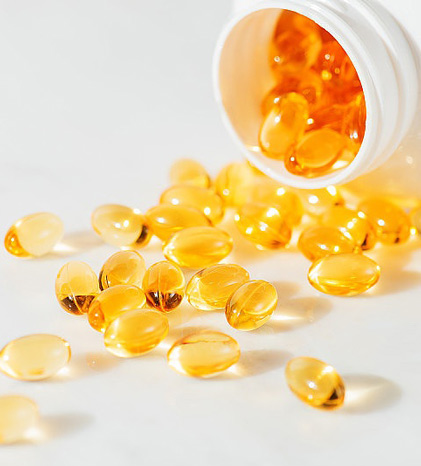

The capsule categories we provide are: hard capsules, soft capsules, and pellet capsules. About customization: ingredients, packaging, labels, etc. can all be customized. We focus on customized formulas, and a variety of existing formulas and stocks are waiting for you to choose. The production facilities and equipment meet national standards, and the production process is strictly carried out in accordance with GMP requirements.
See More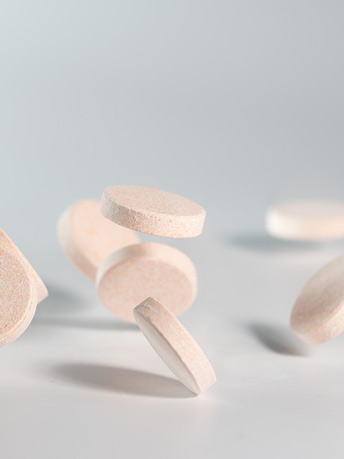
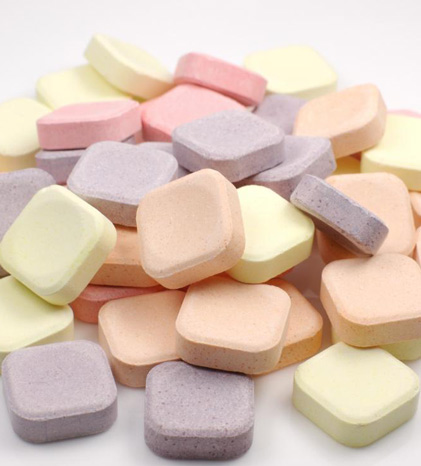
Technologies include boiling granulation, direct tablet compression of all powders, semi-film coating, new excipients, new processes and production linkage, etc. The production materials meet national standards, undergo comprehensive inspection and quality control, and the production process is strictly carried out in accordance with scientific production process. About customization: ingredients, shape, packaging, labeling, etc. In addition, there are many formulas and stocks for you to choose from.
See MoreA decade of expertise in cosmetic and functional food ingredient manufacturing


Since its establishment in 2014, Shaanxi Yuantai Biological Technology Co., Ltd. has always focused on the research, development, production and sales of herbal extracts, nutritional supplements, organic products and OEM/ODM services. With high standards of product quality and a professional team as the core, the company provides customers with high-quality health product solutions. It always adheres to the concept of sustainability, balance and health to ensure that the products meet market demand and consumer expectations.
Learn More About Us
All YTBIO products are produced by ourselves, covering an area of 10,000+ square meters, with advanced extraction equipment and mature extraction technology. In addition, we have also set up separate production areas for capsules, granules, tablets, solid beverages, etc.

The production facilities and equipment meet national standards, and the production process is strictly carried out in accordance with GMP requirements. We constantly update QA/QC standards to enhance the core competitiveness in quality control and R&D levels.

The certificates currently obtained include cGMP, FSSC22000, BRC, HACCP, ISO9001, ISO22000, HALAL, KOSHER, FDA, organic and other certificates — ensuring our cosmetic raw materials meet global food and cosmetic regulatory requirements.
Provide customers with quality cosmetic raw materials for functional food applications. For product information and quotes, contact us!
Contact UsYTBIO covers an area of 10,000+㎡ and has passed cGMP, FSSC22000, BRC, ISO9001, ISO22000, KOSHER, HALAL, FDA, and organic certifications. The production process is strictly carried out in accordance with scientific production process to ensure the safety, stability and effectiveness of the products.

Globally recognized quality and safety certifications for cosmetic and food-grade raw materials








Explore our complete range of dual-certified cosmetic and food-grade raw materials
 Cosmetic Grade Glycoprotein CAS 66455-27-4
 Bulk Dried Avocado Powder | Cosmetic & Food Ingredient
 Pure Watermelon Fruit Powder | Food Grade Wholesale Raw Material
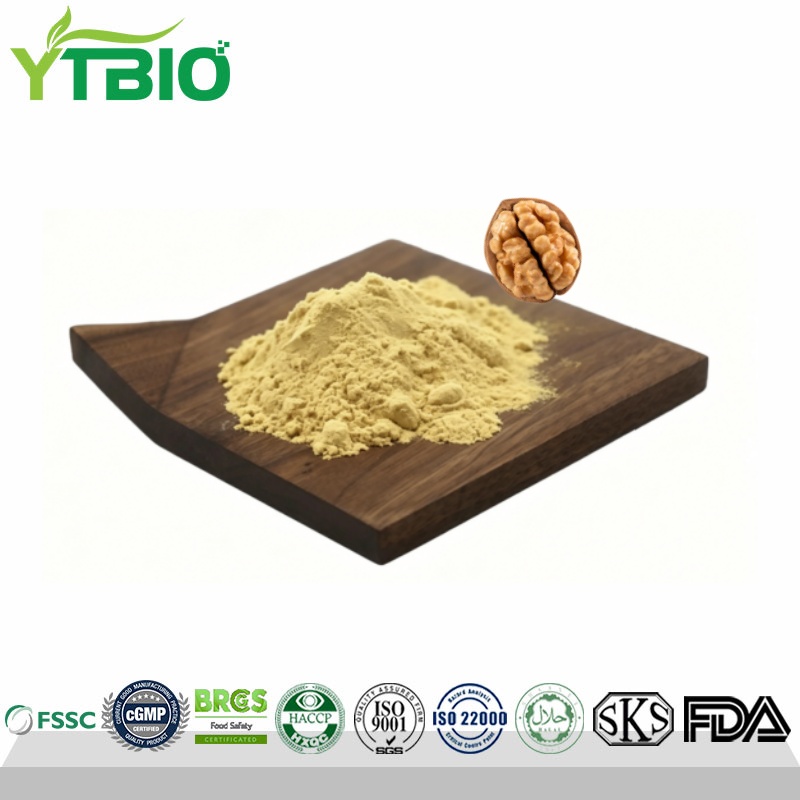 Factory Supply Walnut Peptide Powder Food Raw Material
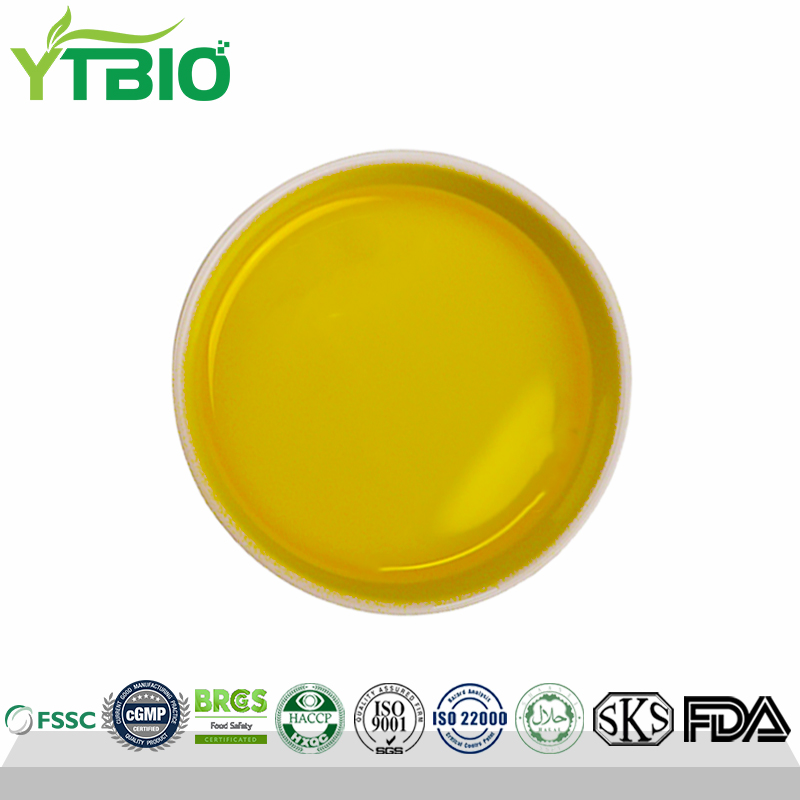 Manufacturer Supply Neem Oil Cosmetic Grade
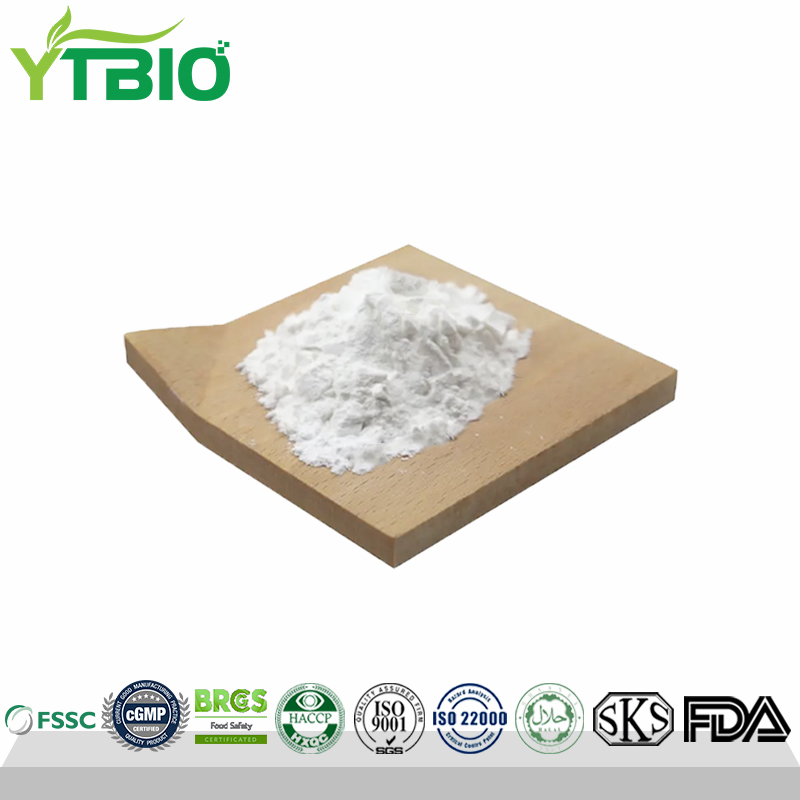 Cosmetic Grade Zinc Hyaluronic Acid/Zinc Hyaluronate Powder Factory
 High Purity 98% L-Serine Powder Food/Cosmetic Grade
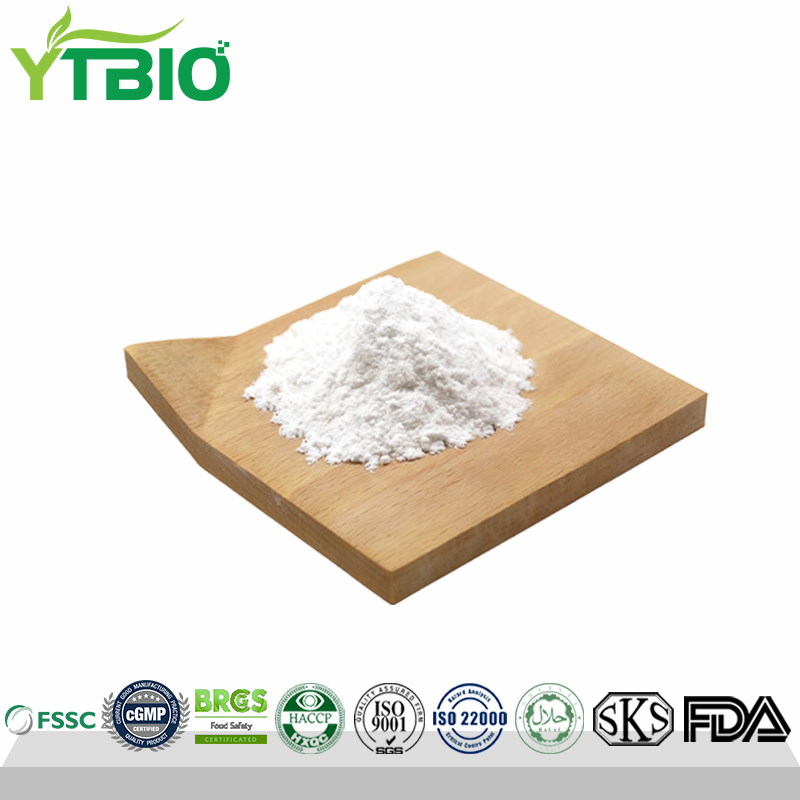 Factory Supply Lactic Acid Powder Food/Cosmetic Grade