Have you heard about Chitosan HCl? It’s been really catching people's attention lately, especially because of all the different ways it can be used. A lot of folks are curious about what it actually does and how it might help them. Dr. Emily Tran, who’s pretty well-known in the world of natural polymers, once said, "Chitosan Hcl is a pretty amazing compound that can boost health in more ways than you might think." Her words really highlight just how versatile this stuff could be.
When it comes to health and wellness, Chitosan HCl definitely gets a lot of buzz. It’s made from chitin, which you mostly find in shells of crustaceans like shrimp and crabs. People have started adding it to their diets, mainly for helping with weight maNAGement and lowering cholesterol. But, honestly, not everyone really knows all the potential benefits or how it works exactly.
Now, I know some folks might see it as a miracle cure or quick fix. But I’d say, it’s important to be cautious and not expect miracles overnight. Results can really differ from person to person, and your overall diet and lifestyle play big roles too. There’s actually quite a bit to explore about Chitosan HCl, and taking the time to reflect on how it might fit into your life can really give you some personal insights. The key is to understand what it can do—and where its limits are, too.
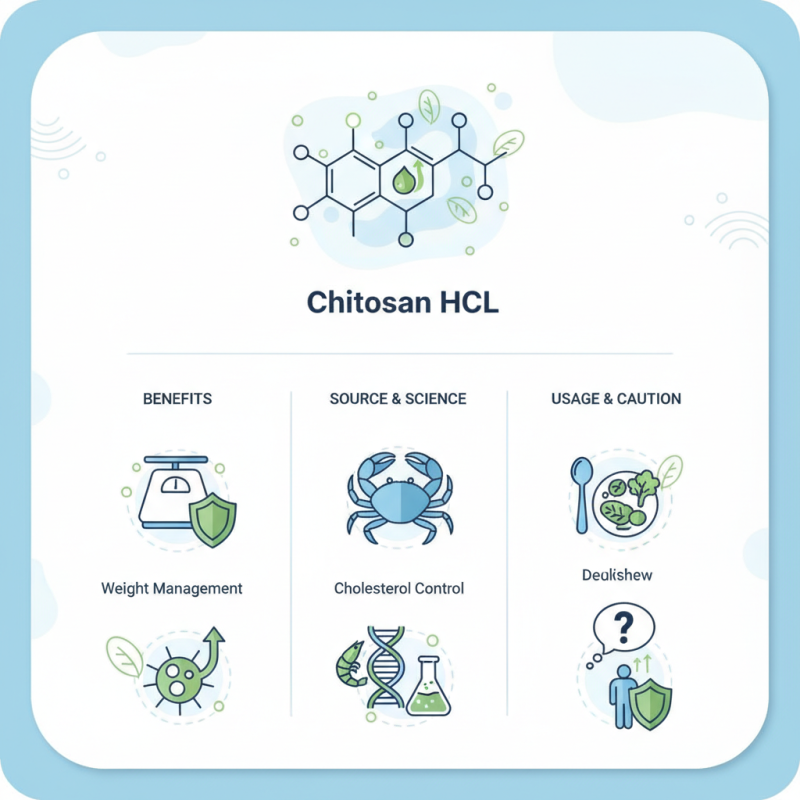
What is Chitosan HCl and Its Source?
Chitosan HCl is a derivative of chitosan, derived from the shells of crustaceans. It is created through a chemical process where chitosan is treated with hydrochloric acid. This transformation enhances its solubility and bioavailability. The source of chitosan primarily comes from shrimp, crab, and other marine organisms.
Chitosan HCl is known for its potential health benefits. It may aid in weight management and fat reduction. Some people believe it can help lower cholesterol levels. It has been used in dietary supplements and health products. However, individual results may vary. There is ongoing research into its effectiveness.
While many promote its benefits, some caution against overreliance on supplements. Not everyone may have the same results. It’s essential to consider medical advice before starting any new supplement. Chitosan HCl can interact with certain medications. Always stay informed about what you put into your body. Experimentation is key, but so is knowledge.
Key Health Benefits of Chitosan HCl
Chitosan HCl offers several key health benefits worth exploring. This natural compound, derived from chitin, is often praised for its ability to aid weight loss. By absorbing fat in the digestive system, it assists in reducing body weight. However, not everyone experiences the same results. Individual body chemistry plays a significant role, and some may find limited effects.
Moreover, Chitosan HCl is known for its potential to lower cholesterol levels. This can be particularly beneficial for heart health. However, it's crucial to consider dietary habits and lifestyle choices, as they significantly impact cholesterol levels. Regular exercise and a balanced diet are still essential.
Additionally, incorporating Glucosamine Hcl Powder alongside Chitosan HCl may enhance joint health. This combination could support flexibility and reduce discomfort in active individuals. However, there is still some debate about the effectiveness of these supplements in the long term. Monitoring one's own body response is vital. Everyone reacts differently to supplements, making personal reflection and adjustment key to achieving desired outcomes.
How Chitosan HCl Affects Weight Management
Chitosan HCl is known for its potential in weight management. This natural polymer, derived from chitin, can bind fats in the digestive system. Users may find that it helps reduce fat absorption, leading to weight loss. However, results can vary widely among individuals, and not everyone experiences the same benefits.
Incorporating Chitosan HCl into your routine might be simple. It often comes in powder or capsule form. However, it’s important to remember that it is not a miracle solution. A balanced diet and regular exercise remain crucial. Self-reflection is key; are you depending too much on supplements?
Some people report mild digestive issues. These can include bloating or stomach discomfort. Listening to your body is essential. While benefits exist, they may not outweigh the potential side effects for everyone. Understanding how your body responds to Chitosan HCl is vital for long-term success in weight management.
Recommended Dosage and Administration of Chitosan HCl
When considering Chitosan HCl, understanding the recommended dosage is crucial. For adults, a typical dosage ranges from 500 mg to 3,000 mg per day. Starting with a lower dose helps assess tolerance. Gradually increasing the amount can be beneficial. This iterative approach allows for adjustments based on individual needs.
Administration is just as important. Taking Chitosan HCl with a full glass of water enhances absorption. Timing can also affect results. Consuming it before meals may help to control appetite. However, listening to your body is key. Not everyone responds the same way. Some might experience digestive discomfort.
As you explore its benefits, keep in mind the interplay with other supplements like Spermidine Hcl. Combining different substances can have varying effects. It’s essential to research and possibly consult a healthcare professional. Reflection on how your body reacts can lead to better choices. Tracking your progress could offer valuable insights.
Potential Side Effects and Precautions of Chitosan HCl
Chitosan HCl is gaining popularity for its potential benefits. However, it's essential to be aware of possible side effects. Some users report digestive discomfort after taking Chitosan HCl. Symptoms may include bloating or gas. If you experience these issues, consider reducing your intake.
Another point to consider is allergies. If you are allergic to shellfish, caution is advised. Chitosan is derived from chitin, which comes from shellfish. Always consult a healthcare professional before adding it to your routine.
When using Chitosan HCl, start with a lower dose. Monitor how your body reacts. Gradually increase if you feel comfortable. This approach is prudent. Don't forget other supplements like Berberine HCL, which can also support health. Always prioritize your well-being and adjust based on your body's signals.
Tips for Choosing Quality Chitosan HCl Supplements
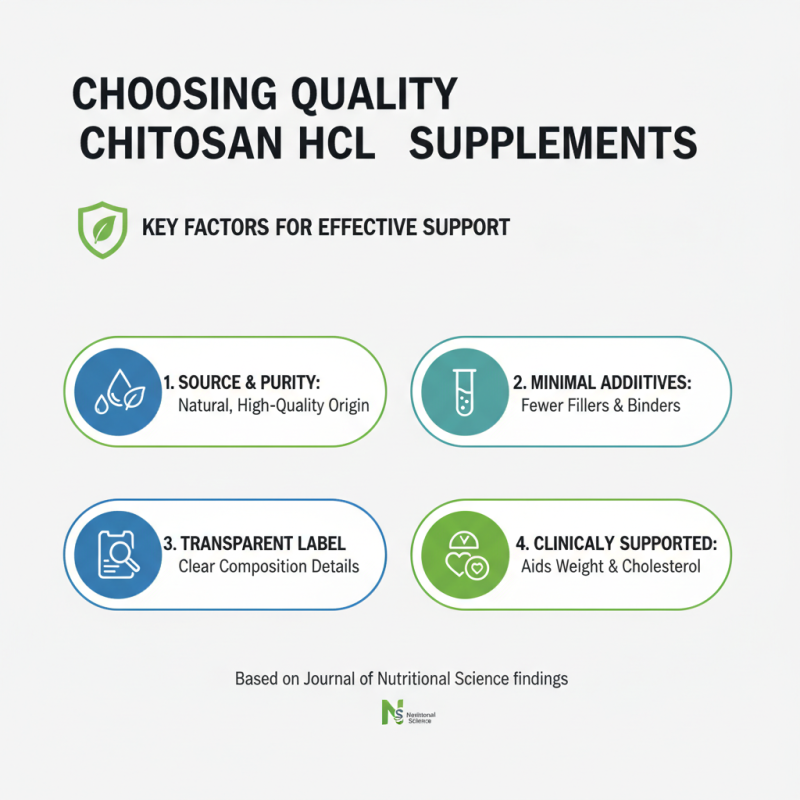
When choosing quality Chitosan HCl supplements, consider the source and purity. Look for products with minimal additives. A transparent label can reveal important information about the composition. In a study by the Journal of Nutritional Science, it was noted that high-quality Chitosan HCl can effectively support weight management and cholesterol levels. Ensure that the supplement is derived from natural sources for better efficacy.
Another aspect is dosage. Research indicates that effective doses of Chitosan HCl typically range from 1,000 to 3,000 mg per day. However, individual responses may vary. Pay attention to how your body reacts. It’s essential to monitor your health and adjust accordingly. Some users report minor digestive discomfort, which may indicate a need to reevaluate dosage or frequency.
Lastly, consider looking for additional compounds like HCL Berberine. This combination may enhance the potential benefits of Chitosan HCl. Studies suggest that Berberine can further support metabolic health. Attempt to find brands that combine both ingredients. Always prepare for variability in results. Personal experiences with Chitosan HCl might differ significantly. Tracking your progress can provide valuable insights for future decisions.
How to Incorporate Chitosan HCl into Your Diet
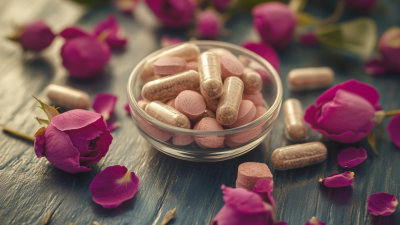
Incorporating Chitosan HCl into your diet can be simple and effective. One popular method is through supplements. Look for capsules that fit your daily routine. It's important to follow the recommended dosage on the packaging. Remember, results may vary from person to person.
You can also find Chitosan in foods. Some seafood, like shrimp and crab, contain natural chitin, which your body can benefit from. Including these foods in meals can be a tasty way to boost your intake. However, it might be challenging for those with shellfish allergies or dietary restrictions.
Cooking meals that feature fiber-rich ingredients alongside Chitosan may enhance its benefits. Consider adding it to soups or salads. Mixing it into smoothies can mask its taste, making it more palatable. Reflect on how your body responds. Some people may experience digestive changes. Keep an open mind about your choices and adjust as needed.
Exploring the Benefits and Uses of 66-84-2 Glucosamine Hydrochloride: A Comprehensive Guide to Glucosamine HCL Powder
Glucosamine hydrochloride, identified by CAS number 66-84-2, is a widely recognized supplement in the health and wellness industry, particularly beneficial for joint health. This compound, with a molecular formula of C6H14ClNO5 and a molecular weight of 215.63, boasts a high purity of 98%, making it a preferred choice among consumers seeking high-quality glucosamine. The solubility of glucosamine HCl in water, at 0.1 g/mL, ensures it can be easily incorporated into various formulations, whether in powder or liquid forms. This characteristic also enables efficient absorption by the body, enhancing its potential therapeutic effects.
Studies suggest that glucosamine hydrochloride plays a crucial role in the maintenance and repair of cartilage, the connective tissue that cushions joints. According to the Journal of Orthopaedic Research, glucosamine has been shown to stimulate the synthesis of cartilage components, potentially slowing the progression of osteoarthritis. Additionally, a meta-analysis published in the American Journal of Medicine highlighted that glucosamine supplementation could lead to significant reductions in pain and improvements in joint function among individuals suffering from arthritis.
The versatility of glucosamine HCl extends beyond joint health; it is also utilized in formulating dietary supplements aimed at promoting overall wellness. Its clear, colorless appearance and ease of integration into health products make glucosamine hydrochloride a valuable ingredient in the nutritional supplement market. As more consumers seek effective and science-backed solutions for joint support, glucosamine hydrochloride continues to be a focal point of research and development in the supplement industry.
FAQS
: You often see electronics, clothing, and home goods. Seasonal items pop up too. Sales fluctuate based on demand.
Check user reviews and ratings. Look for detailed product descriptions. Photos are helpful alongside descriptions.
Contact customer service immediately. Keep all packaging for possible return. Take photos of the damage as proof.
Most stores offer a period for returns, often around 30 days. Check if items need to be unopened or damaged.
Yes, most platforms provide tracking numbers via email. You can follow your package until it reaches you.
Use the password recovery option on the site. You may receive a reset link via your registered email.
Some sites offer free shipping over a certain amount. Others might have memberships for free shipping benefits.
Look for a "Contact Us" link on the website. Options usually include chat, email, and phone support.
Most sites take credit cards and digital wallets. Verify if they support your preferred payment option.
Be mindful of potential taxes and shipping costs. Review your cart carefully before finalizing your order.
Conclusion
Chitosan HCl is a natural derivative of chitin, sourced primarily from crustacean shells. It offers several health benefits, including cholesterol reduction, improved gut health, and enhanced weight management due to its ability to bind fats and inhibit fat absorption. When considering its effects on weight management, Chitosan HCl may assist those looking to maintain or lose weight by promoting a feeling of fullness and reducing calorie intake.
For optimal results, it's crucial to adhere to recommended dosages and be aware of potential side effects, such as gastrointestinal discomfort. When selecting Chitosan HCl supplements, choosing high-quality products is essential to ensure efficacy and safety. Lastly, incorporating Chitosan HCl into your diet can be done through various methods, including supplement forms or natural food sources, helping individuals take advantage of its benefits effectively.